


Our projects make us proud
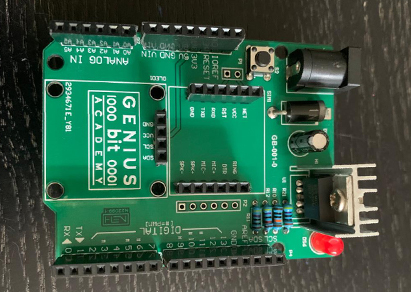
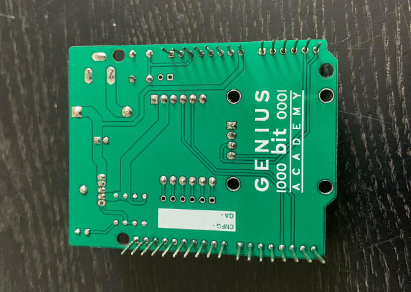
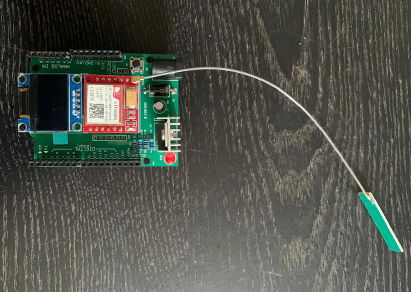
The "Genius Bit Academy" PCB is a versatile development board designed for educational and prototyping purposes. It features essential components for power regulation, microcontroller interfacing, and connectivity options for sensors and peripherals. The inclusion of a GSM module and OLED display enhances its functionality, making it suitable for projects involving remote communication and data display.
Components
- Voltage Regulator (with Heat Sink): Ensures a stable output voltage, critical for protecting the board and connected peripherals from power surges or fluctuations
- Capacitors and Resistors: Essential for filtering noise from the power supply, setting up bias points in the circuit, and other signal conditioning tasks
- LED Indicator: Provides visual feedback, commonly used to indicate power status or operational status
Connectors
-
Pin Headers
- ANALOG PINS: Labeled as "A0, A1, A2, A3, A4,A5" these are analog input pins used for reading analog sensors
- DIGITAL PINS: Labeled "0" to "13," these are digital input/output pins used for interfacing with various digital sensors, actuators, and other digital devices
- Power Supply Jack: For connecting an external power supply to power the board and its components
- Reset Button (P1): Allows users to reset the board, restarting the microcontroller and reinitializing the program without needing to disconnect the power supply
Microcontroller Connections
- I/O Reference (IOREF): Provides a reference voltage for the microcontroller inputs and outputs
- Serial Communication Pins (RXD, TXD): For serial data transmission and reception, used for programming the microcontroller and for communication with other serial devices
- Power Pins (VCC, GND): To supply power to the microcontroller and other components
Assembled Board with Modules
-
GSM Module (SIM800L)
- Module Overview: Provides GSM (Global System for Mobile Communications) capabilities, enabling the board to send/receive SMS, make calls, and connect to the internet
- SIM Card Slot: For inserting a SIM card, necessary for connecting to a mobile network
- Antenna: Enhances the GSM module’s ability to send and receive signals, improving communication range and reliability
-
OLED Display
- Function: Used to display text, graphical data, sensor readings, and other real-time information
- Connection: Likely connected via I2C or SPI interface, common protocols for communication between microcontrollers and displays
Innovation-Based Learning Development Board
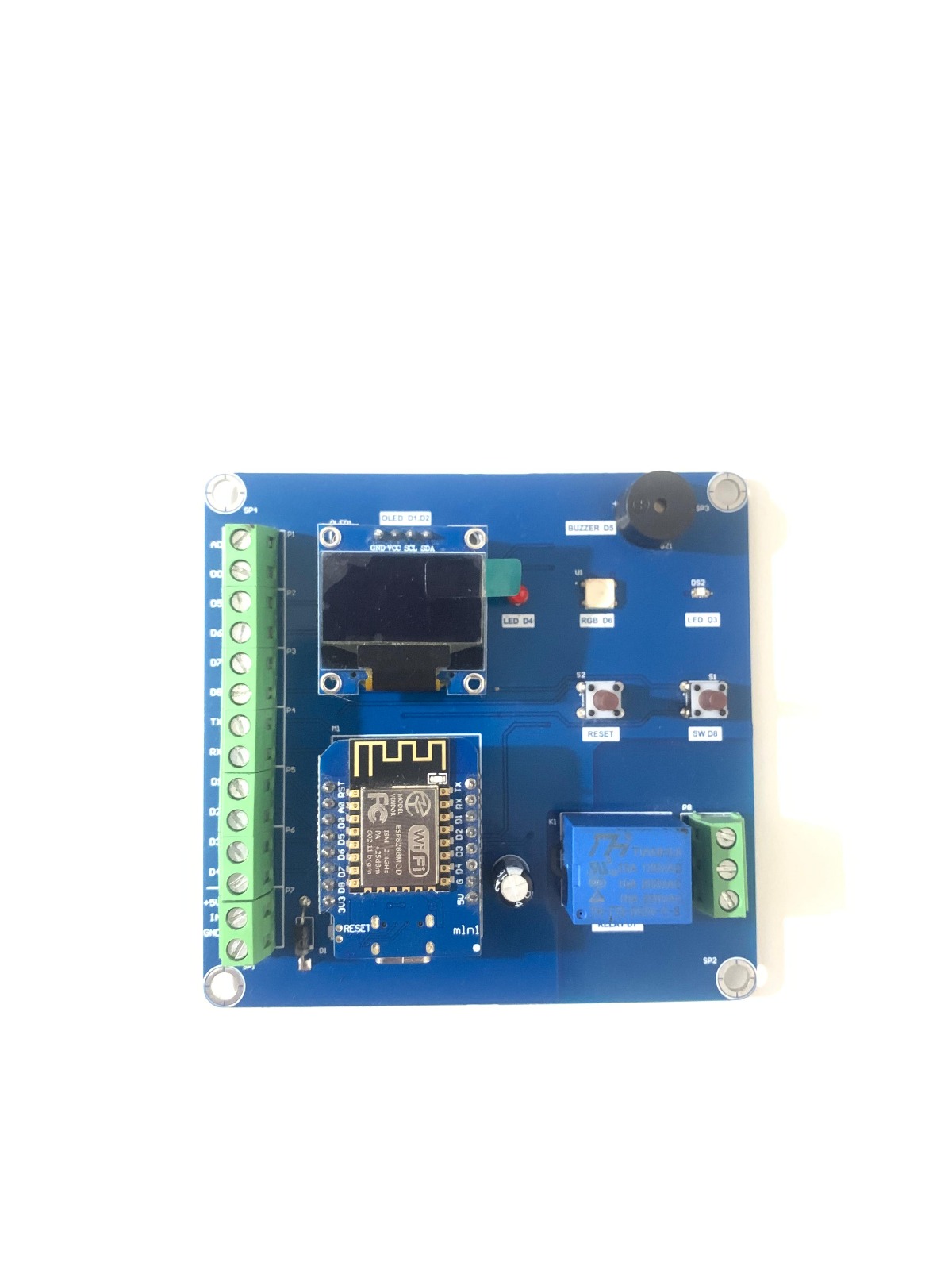
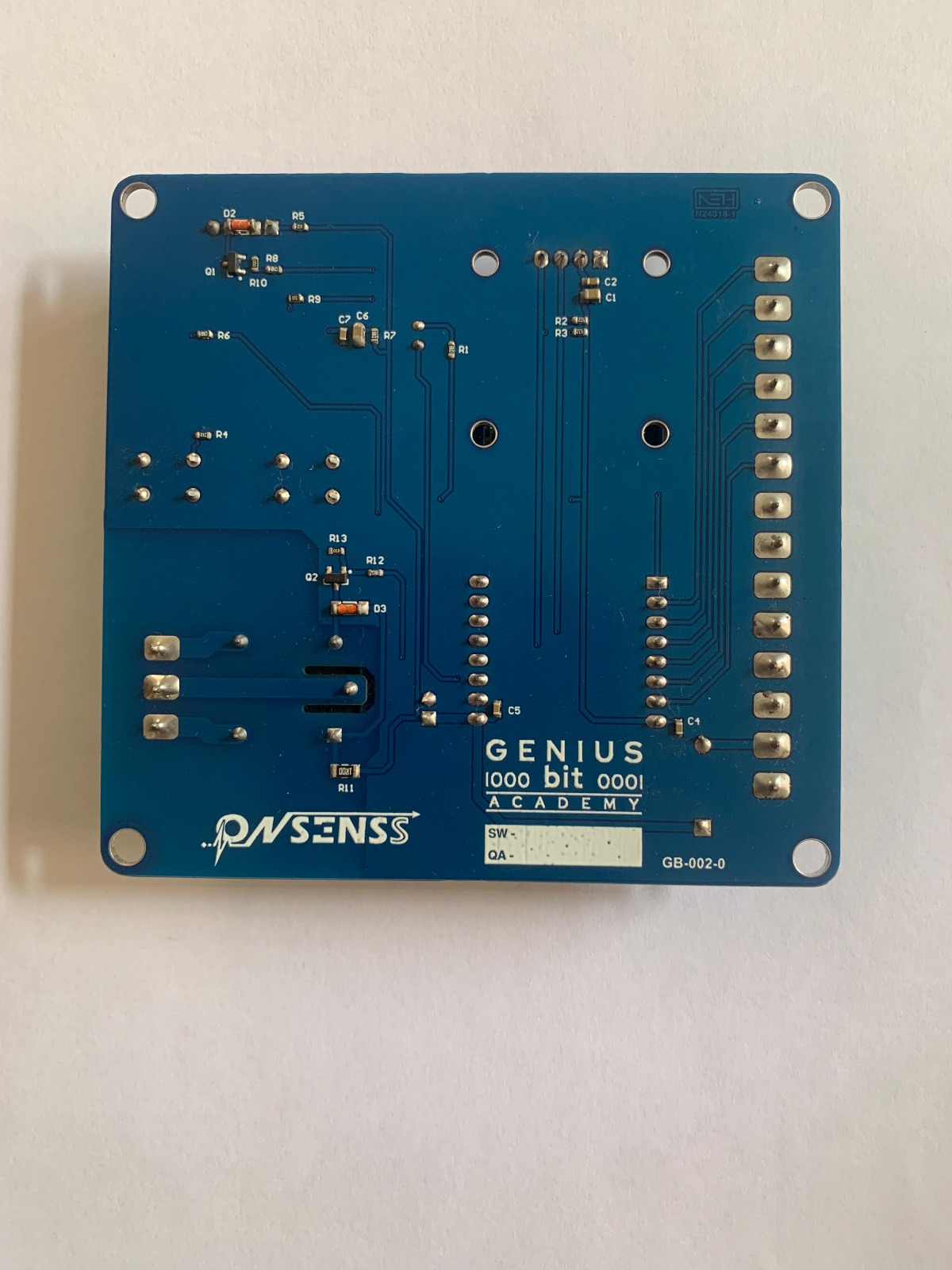
🧩 Overview
Innovation-Based Learning (IBL) is a powerful teaching method that helps students learn by doing—solving real-world problems using hands-on experiments. However, in many developing countries, the high cost and fragility of electronics limit students' ability to explore and learn freely.
To address this challenge, we created a low-cost, beginner-friendly IoT development board. This custom platform is designed to minimize hardware damage during learning, reduce cost, and maximize hands-on opportunities.
💡 Key Features of the Development Board
- Powered by WeMos D1 Mini (ESP-12F) with built-in Wi-Fi
- Includes OLED display, RGB and single-color LEDs, buzzer, relay and push buttons
- Full GPIO access through 5.08 mm terminal blocks (no breadboards required)
- Durable and easy to use—ideal for both classrooms and remote learning
- Pluggable microcontroller can be replaced without discarding the whole board
📈 Educational Value
- Encourages creativity, experimentation, and problem-solving
- Reduces fear of hardware damage during trial-and-error learning
- Helps students understand full-stack IoT concepts—from sensors to coding to deployment
- Enables a scalable, inclusive model for hybrid STEM education
🧪 Conclusion
This development board removes key barriers to hands-on STEM education, making Innovation-Based Learning more practical, accessible, and affordable. It empowers students—especially in developing regions—to learn, create, and innovate confidently using real technology.
A bunch of disruptive critical thinkers who are determined to make a difference in young adults in Sri Lanka.